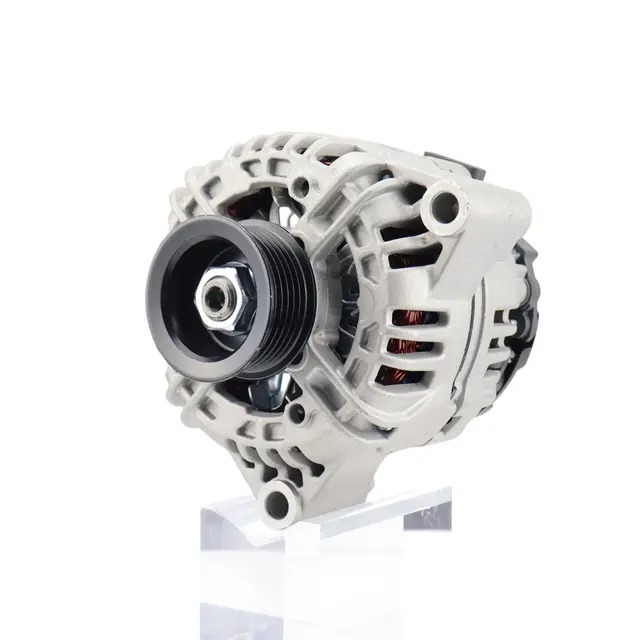
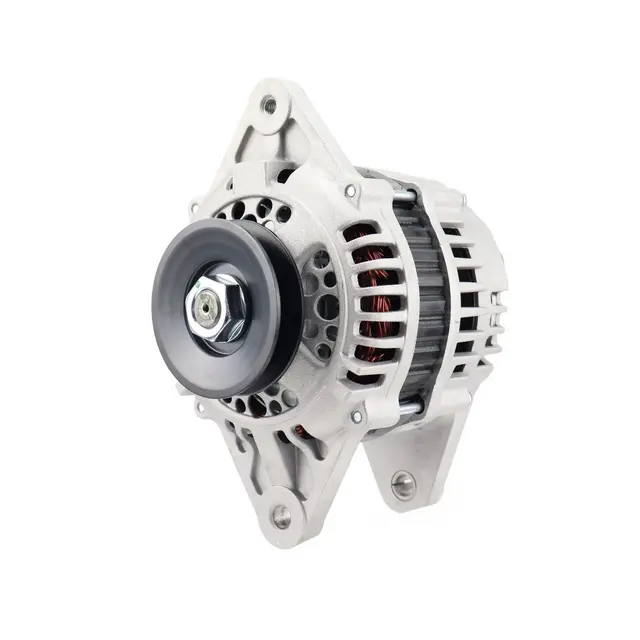
The alternator is a vital component of your vehicle's electrical system. It powers your car’s electrical systems and recharges the battery while the engine is running. When it begins to fail, the signs may be subtle at first but can quickly escalate into significant problems if left unaddressed. Understanding the early warning signs of alternator trouble can save you from unexpected breakdowns and expensive repairs. In this article, we’ll explore the most common indicators of alternator issues, how to spot them early, and what to do about them.
Dim or Flickering Headlights – The First Visual Cue
One of the earliest and most noticeable symptoms of alternator trouble is dimming or flickering headlights. Since the alternator supplies power to the vehicle’s lighting system, any inconsistency in voltage can cause the headlights to appear dim or to flicker intermittently. This usually becomes more apparent when using multiple electrical systems at once—like turning on the AC or stereo while driving at night.
If your headlights fluctuate in brightness depending on the engine RPMs, it’s a clear sign your alternator may not be generating a stable current. While a failing battery could be to blame, a battery usually fails silently, whereas alternator issues often manifest through these kinds of electrical anomalies.
Always pay attention to changes in brightness. If flickering becomes a pattern, especially when idling or revving the engine, you should schedule a diagnostic test as soon as possible.
Warning Light on the Dashboard – More Than Just a Glitch
Modern vehicles are equipped with sophisticated onboard diagnostics. One of the key indicators of alternator problems is the battery warning light illuminating on the dashboard. Although this light might suggest a battery issue, it often points to alternator trouble instead.
The light usually appears as a battery symbol or “ALT” or “GEN.” It may glow faintly at first or flicker on and off, especially when additional electrical loads are applied. These sporadic appearances are not random; they reflect the alternator’s inability to maintain consistent voltage output under stress.
Ignoring this warning could lead to a sudden battery drain, resulting in a complete vehicle shutdown. If you see this light, especially in combination with other signs like dim lighting or slow electrical responses, get your alternator checked immediately.
Strange Noises – When Your Alternator Talks Back
Noises can often tell you what words cannot. A failing alternator may produce unusual sounds such as whining, grinding, or rattling. These noises typically originate from worn-out bearings, loose belts, or internal component degradation.
Whining usually indicates a problem with the voltage regulator or bearings.
Grinding may signal a misaligned pulley or deteriorating rotor.
Rattling could stem from loose mounts or brackets.
Such sounds generally worsen over time and are often mistaken for engine problems. But here’s a key differentiator: alternator-related noises tend to change with engine speed. If the noise intensifies as you accelerate, your alternator could be to blame.
Early detection of these noises can prevent catastrophic alternator failure. Mechanics can often identify and fix the issue before it escalates to a complete alternator replacement.
Electrical Failures and Malfunctions
The alternator is the backbone of your car’s electrical system. A weakening alternator can cause multiple devices to malfunction, even before the vehicle fails to start.
Common Electrical Issues Linked to Alternator Trouble
| Electrical Component | Symptom | Possible Cause |
| Power Windows | Slow operation or failure | Low voltage supply |
| Radio / Infotainment | Random shutdowns | Intermittent power |
| Dashboard Gauges | Erratic readings | Unstable voltage |
| Seat Warmers | Inconsistent heating | Insufficient current |
These malfunctions aren’t just inconvenient—they’re red flags. When multiple electrical systems behave erratically, it’s likely the alternator is no longer producing sufficient voltage. Continued driving under these conditions could result in complete electrical failure.
Performing a voltage test across the battery while the engine is running can help determine whether the alternator is producing the appropriate voltage range—typically between 13.5V and 14.5V.
Dead Battery – A Symptom, Not a Cause
One of the most misunderstood signs of alternator trouble is a dead battery. While a dead battery is often assumed to be the root problem, it may actually be the result of a failing alternator.
The alternator is responsible for recharging the battery while the engine is running. If it fails to do so, the battery slowly discharges until it lacks enough power to start the vehicle. If you’ve recently replaced your battery but the new one is also draining quickly, your alternator is the likely culprit.
Jump-starting the car may temporarily restore functionality, but the issue will persist until the alternator is repaired or replaced. A professional diagnostic can quickly determine if the battery or the alternator is to blame.
Burning Smell – A Heat Warning You Shouldn’t Ignore
A failing alternator can also produce a burning rubber or electrical smell, especially during or after a drive. This may be caused by the alternator belt slipping on the pulley, or excessive friction in internal components due to wear.
This odor could also be due to the alternator overworking itself—trying to meet the power demands of the vehicle while producing insufficient current. The system heats up, and the insulation around wires and belts may begin to degrade, creating a distinct smell.
Ignoring this sign may lead to more severe damage, not only to the alternator itself but also to other components such as the serpentine belt or wiring harness. If you notice a burnt smell accompanied by any of the earlier symptoms, pull over safely and arrange for an inspection.
Frequently Asked Questions (FAQ)
How long does an alternator typically last?
Most alternators last between 7 to 10 years or approximately 100,000 to 150,000 miles, depending on driving conditions and usage. Heavy accessory loads (like audio systems and towing equipment) can reduce lifespan.
Can I drive with a bad alternator?
Technically yes, but only for a short distance. You’re driving on borrowed battery power. Once it’s drained, the engine will shut off, potentially leaving you stranded.
What causes alternators to fail?
Common causes include:
How do I know it's not just a bad battery?
If you jump-start the car and it dies shortly after, it’s probably the alternator. Batteries don’t typically cause immediate shutdown once the engine is running.
Conclusion
The alternator is often overlooked—until it fails. But as we’ve discussed, it often sends warning signals well before it gives out completely. Dimming headlights, dashboard warnings, odd noises, burning smells, and electrical malfunctions are all critical signs that your alternator might be in trouble.
By paying attention to these signs early on, you not only prevent a potential breakdown but also save money by avoiding additional component damage. If you suspect any of the symptoms mentioned above, it’s best to consult a professional technician immediately for a comprehensive electrical system test.


