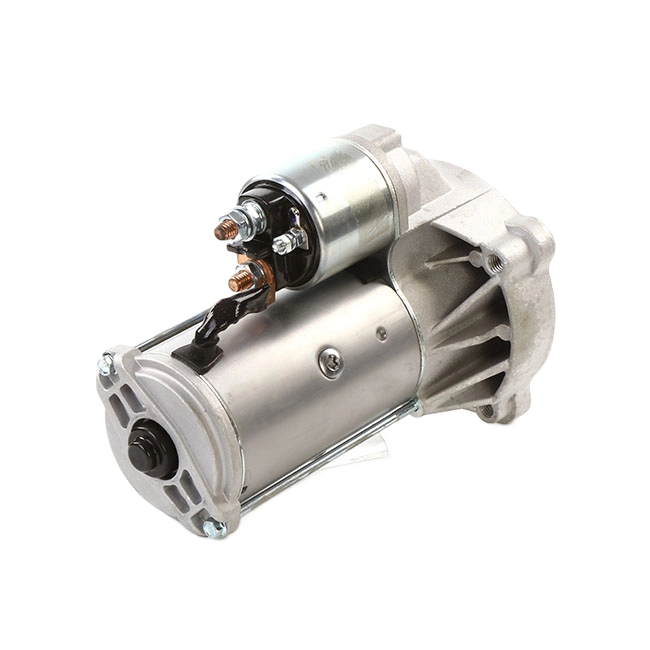
High failure rates in sub-par aftermarket components routinely destroy mechanic shop profitability. Defective parts lead directly to costly comebacks. They also frustrate end-users who suddenly find themselves stranded. Visual similarity frequently hides massive disparities in internal engineering. A premium unit might look identical to a low-tier clone outside. Inside, you will discover drastic differences in component metallurgy and quality control. We wrote this guide to solve this exact problem. You need an objective, engineering-focused framework for evaluating a reliable starter motor manufacturer. We will teach you how to ensure reliability across all vehicle applications. You will learn specific strategies to reduce return rates dramatically. By the end, you will know exactly how to match OEM performance. You can confidently vet suppliers and protect your business reputation.
Key Takeaways
Internal material quality dictates lifespan: Copper-rich commutators and heat-resistant solenoid contacts are non-negotiable for durability.
Testing transparency matters: A reputable starter motor manufacturer provides evidence of End-of-Line (EOL) load and heat testing, not just basic spin tests.
Remanufactured vs. 100% New: Both can be highly reliable, provided the manufacturer follows strict core-sorting and wear-component replacement protocols.
Warranty and support reflect confidence: Top-tier manufacturers back their aftermarket starter motors with comprehensive, low-hassle warranty structures.
OEM vs. Aftermarket: Defining the Quality Baseline
Original Equipment Manufacturer components carry notably high costs. They demand extremely strict engineering tolerances straight from the factory. The aftermarket landscape varies wildly in overall build quality. Many shop owners constantly debate whether OEM costs justify the heavy investment. You must understand the true differences in material sourcing. OEM suppliers strictly follow exact specifications set by automotive brands. Independent suppliers often look for ways to cut production expenses.
A truly viable aftermarket starter motor must meet three strict conditions. It needs exact-fit physical dimensions for seamless installation. It must provide equal or greater torque output during cranking. It also has to deliver comparable longevity under severe conditions. You naturally want all these traits at a more accessible price point. Achieving this balance requires careful factory selection. You cannot simply trust the cheapest option available online.
Many brands you see do not actually build their own parts. They operate as marketing companies rather than real factories. They simply rebox units imported from various overseas facilities. This creates massive inconsistencies in day-to-day product quality. Vetting the actual facility protects your shop's hard-earned reputation. You must ensure they uphold strict quality assurance standards daily. Ask direct questions about their specific assembly lines. Find out if they design their own internal circuitry.
Core Evaluation Dimensions for a Starter Motor Manufacturer
Internal Component Metallurgy and Sourcing
Armatures and commutators demand extremely high-grade electrical materials. Always look for 100 percent pure copper windings inside the unit. You must avoid copper-clad aluminum components entirely. Aluminum conducts heat poorly and degrades very rapidly. Precision-machined commutators prevent premature brush wear during daily use. Rough commutators act like sandpaper against carbon brushes. This quickly destroys the electrical connection.
Solenoid construction reveals the true manufacturing quality of the part. Good units always feature high-temperature capable wire coils. They also utilize pure copper or silver-alloy contact disks inside. These premium materials prevent the dreaded "click of death" symptom. This common failure occurs when cheap contacts pit and burn. Arcing electricity physically destroys low-grade metal surfaces over time.
Planetary gears require hardened steel construction for long-term survival. Cheap plastic gears easily strip under heavy engine compression loads. Bearings matter just as much as the gears themselves. Demand sealed, high-load bearings instead of basic bronze bushings. Sealed bearings keep dirt out and hold lubrication inside.
Here are the minimum material standards you should demand:
High-purity copper windings for maximum electrical efficiency.
Silver-alloy solenoid contacts to resist extreme electrical arcing.
Hardened steel planetary gears for heavy compression engines.
Sealed ball bearings located at both ends of the armature.
High-temperature epoxy coatings to protect internal wiring.
Production Standards: 100% New vs. Remanufactured
Remanufacturing requires extreme rigor to achieve OEM reliability levels. Reliable companies never just clean and paint old outer housings. They completely replace all wear items inside the assembly. They install brand new brushes, bushings, and solenoid contacts. They swap these parts regardless of their initial visual condition. Reusing worn internal components guarantees an early failure. You must verify their specific core sorting procedures.
New build tolerances demand formal factory certifications. For completely new units, look closely at their paperwork. The factory must possess ISO/TS 16949 or IATF 16949 credentials. These specific certifications prove automotive-grade quality management systems exist. They show the factory takes precision engineering seriously. Auditors regularly inspect these facilities to ensure strict compliance. They check everything from raw material intake to final boxing.
End-of-Line (EOL) Testing Protocols
Free-spinning a starter loosely on a workbench means very little. A spinning motor absolutely does not guarantee proper under-load performance. True testing pushes the unit hard against physical resistance. Factories must simulate the exact friction of a cold engine block.
Mandatory benchmarks rely entirely on computerized diagnostic test benches. Quality manufacturers measure electrical amp draw precisely during operation. They check mechanical engagement and disengagement speeds in milliseconds. They verify pinion gear clearance down to the exact millimeter. They also test torque output under simulated engine loads. Thermal stress testing ensures the unit survives hot conditions perfectly.
Starter Testing Evaluation Criteria
Testing Metric
Basic Quality Check
Premium Factory Benchmark
Spin Function
Unloaded free spin
Simulated engine load drag
Thermal Resistance
No heat testing
High-heat soak cycle completion
Amp Draw
Simple pass or fail
Precise digital waveform analysis
Gear Engagement
Basic visual check
Millimeter pinion clearance measurement
Red Flags: What to Avoid in Aftermarket Suppliers
Many brands use flashy marketing buzzwords to drive sales. You must instantly dismiss claims lacking actual technical spec sheets. If they omit KW ratings or torque output charts, walk away. "Heavy duty" means nothing without hard data backing it up. True engineering relies on exact numbers and measurable performance.
Check mechanic community forums carefully for real-world feedback. Frequent out-of-box failures signal huge production problems. These specific complaints usually indicate zero EOL testing at the factory. A high Dead on Arrival rate destroys shop profitability instantly. You simply cannot afford to install broken parts twice.
Remanufacturers sometimes utilize opaque core charge return policies. They might enforce highly restrictive rules regarding core condition. They reject cores for minor cosmetic scratches or surface rust. This offloads severe operational risk onto distributors or local shops. A good partner makes core returns smooth and predictable.
Some OEM designs include factory-installed heat shields. This happens frequently on V8 or V6 transverse engine layouts. Exhaust manifolds sit extremely close to the electrical components. The aftermarket design must replicate these shields perfectly. Missing shields guarantee premature thermal breakdown of the solenoid. The intense radiant heat literally melts the internal solder points.
Industry Benchmarks: How Top Brands Set the Standard
You should use established Tier-1 suppliers as your baseline standard. For example, a genuine VALEO starter motor represents the OEM benchmark for many European applications. Their specific engineering processes set a very high bar globally. They spend millions researching durable materials and efficient designs.
Top factories carefully translate OEM expertise into aftermarket product lines. They focus heavily on Noise, Vibration, and Harshness reduction. They utilize advanced planetary gear reduction designs for higher torque. They also integrate permanent magnet technology effectively into smaller housings. This saves weight while delivering massive cranking power reliably.
Specialized builders serve the racing and classic car markets directly. They deal exclusively with custom and high-torque engine applications. They use incredibly tight internal tolerances inside their units. High-compression racing engines destroy standard parts in seconds. These specialized builds set a true benchmark for engineering possibilities. They show what happens when cost becomes a secondary concern.
Supplier Vetting Checklist: Making Your Decision
Use this strict vetting checklist to find a truly reliable partner.
Ask for the Data: Always request sample EOL testing reports. Demand to see real QC documentation from the assembly facility. Reputable factories gladly share their testing data.
Evaluate the Supply Chain: Check their inventory consistency thoroughly. Can they ensure the availability of top-moving SKUs? They must maintain steady stock without sudden drops in build quality. Backorders cause you to lose eager customers.
Warranty Realities: Analyze the fine print closely. A lifetime warranty means absolutely nothing if labor is excluded. You cannot afford to absorb labor costs for repeated replacements. Read the exact terms regarding defective part compensation.
Next Step: Run a controlled pilot program first. Install a small batch on local fleet vehicles. Track real-world performance closely before committing to large-scale distribution. Real miles provide the best testing data possible.
Choosing the right factory is ultimately an exercise in risk management. Saving a few dollars on the initial unit cost rarely pays off. Cheap parts quickly erase your profits through unpaid labor hours. They cause expensive towing fees and frustrate loyal customers. They also cause severe reputational damage in your local community. We strongly urge you to prioritize transparency above everything else.
Choose partners offering robust testing data and reliable warranty terms. Always demand OEM-grade internal components like pure copper and sealed bearings. Inspect their facility certifications to ensure proper automotive management standards. Solid engineering keeps customer vehicles on the road safely. Better parts protect your bottom line and grow your business. Make decisions based on technical specifications rather than shiny packaging.
FAQ
Q: What is the difference between a cheap aftermarket starter motor and a premium one?
A: Premium units prioritize high-quality internal metallurgy. They feature 100 percent pure copper windings and heavy-duty bearing seals. The best factories load-test every single unit before boxing it. Cheap alternatives use copper-clad aluminum windings and basic bronze bushings. They usually skip load testing entirely. This drastically increases the risk of premature failure on the road.
Q: Are remanufactured starter motors as reliable as brand new ones?
A: Yes, they can be highly reliable. High-quality remanufacturing replaces all wear components like brushes and contacts. Top rebuilders test these units precisely to strict OEM specifications. Poor rebuilders simply clean and paint the outer housing. Always verify the rebuilder's exact replacement protocols before buying. A proper rebuild easily matches new unit longevity.
Q: Why do some aftermarket starters fail so quickly?
A: Rapid failure usually stems directly from severe thermal degradation. Cheap solenoid contacts pit and burn under high electrical heat. Poor brush alignment causes severe internal arcing over time. Weak plastic planetary gears simply cannot handle high engine compression. Missing heat shields also cook the sensitive electronics prematurely near hot exhaust manifolds.
Q: Does the manufacturer matter if the starter has a lifetime warranty?
A: Yes, the manufacturer absolutely matters. A warranty only replaces the defective part itself. It rarely covers the mechanic's labor or expensive towing fees. It also ignores the customer's severe vehicle downtime and frustration. High reliability always trumps a long warranty length. You want robust parts that do not fail in the first place.