 English

Views: 0 Author: Site Editor Publish Time: 2025-11-13 Origin: Site


Have you ever wondered if hitting the starter motor could get your car running? Many people believe this common myth, thinking it’s a quick fix for starting issues. In this article, we’ll explore the role of starter motors in vehicles, the truth behind this troubleshooting method, and why understanding their functionality is crucial for maintenance.
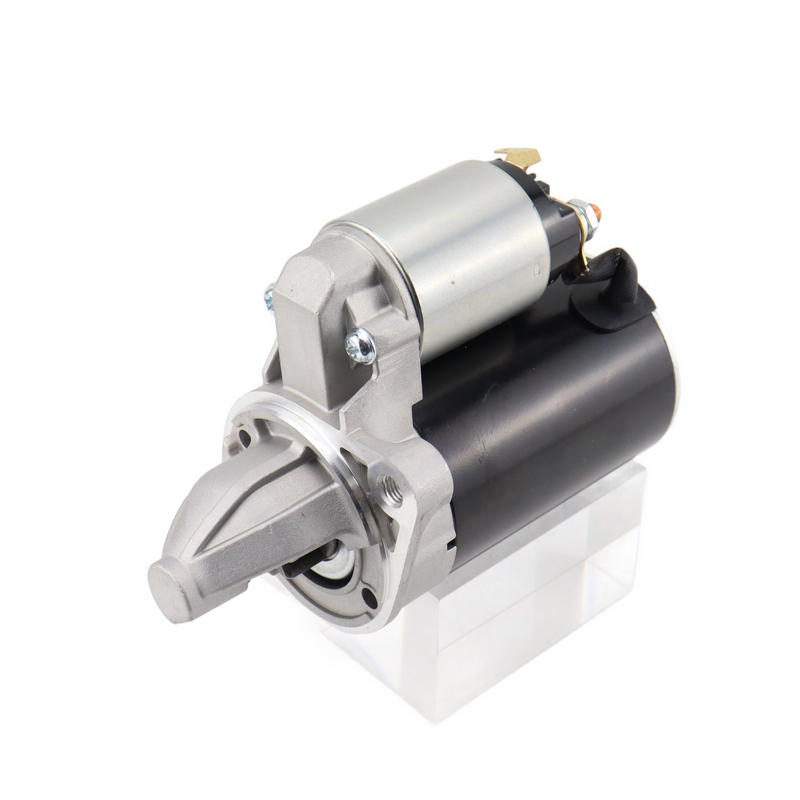
A starter motor is a crucial component in most vehicles. It’s responsible for initiating the engine's operation. When you turn the ignition key, the starter motor engages, providing the necessary power to start the internal combustion engine. Without it, your car simply won’t start.
Think of the starter motor as the engine's "kick-off" mechanism. It transforms electrical energy from the battery into mechanical energy, allowing the engine to begin its cycle. This process is essential for getting your vehicle moving.
The starter motor consists of several key components:
● Armature: This is the rotating part of the motor. It spins when electrical current flows through it.
● Gear: The gear engages with the engine’s flywheel, helping to turn the engine over.
● Solenoid: This acts as a switch, controlling the flow of electricity to the starter motor. When the ignition is turned on, the solenoid closes the circuit, allowing current to flow.
Here’s a brief overview of how the starting process occurs:
1. Ignition Turned On: When you turn the key, the battery sends power to the solenoid.
2. Solenoid Engagement: The solenoid activates, pushing the gear forward to mesh with the flywheel.
3. Motor Activation: The armature begins to spin, turning the engine over.
4. Engine Starts: Once the engine reaches a certain speed, it begins to run independently.
This interaction between the starter motor and the engine’s flywheel is what gets your vehicle moving. If any part of this system fails, you may encounter starting issues, which is where the myth of hitting the starter motor often comes into play.
Understanding how a starter motor works can help you diagnose problems more effectively. If you notice symptoms like clicking sounds or failure to start, it could indicate an issue with the starter motor or its components.
When your starter motor is failing, you might notice several telltale signs. One of the most common symptoms is difficulty starting the engine. You turn the key, but nothing happens. It can be frustrating, especially when you need to get somewhere.
Another sign to watch for is a clicking sound when you attempt to start the car. This often indicates that the starter motor isn’t engaging properly. You might hear a single click or a rapid clicking sound, which can signal different issues.
Intermittent starting problems can also occur. Sometimes the engine starts fine, while other times it struggles. This inconsistency can make diagnosing the issue tricky, but it’s a clear indicator that something isn’t right.
Several factors can lead to starter motor failure. One major cause is electrical issues. For instance, a weak battery or corroded connections can prevent the motor from receiving enough power. If the battery is old or damaged, it may not provide the necessary voltage to start the engine.
Mechanical failures are another common culprit. Worn gears can prevent the starter from engaging correctly, while a damaged solenoid can disrupt the electrical flow. These mechanical issues often require professional inspection and repair.
Environmental factors also play a role. Extreme temperatures can affect battery performance and starter motor efficiency. Moisture can lead to corrosion, further complicating the situation. Keeping your vehicle in a dry, temperature-controlled environment can help mitigate these risks.
Understanding these symptoms and causes can help you troubleshoot starter motor issues effectively. If you notice any of these signs, it might be time to investigate further or seek professional help.
Hitting the starter motor is a common troubleshooting method among drivers facing starting issues. Many believe that a solid tap can jolt the motor back to life, especially if it’s stuck or sluggish. This idea stems from the notion that mechanical components can sometimes become stuck due to wear or debris. A quick hit might seem like a simple solution, and in some cases, it may temporarily work.
This myth has persisted over the years, partly due to anecdotal evidence. Older vehicles often had simpler electrical systems, making this method appear effective. Stories of success spread among friends and family, reinforcing the belief that a hit could fix the problem. However, as automotive technology has advanced, the reliability of this method has diminished.
While it may seem harmless, hitting the starter motor can pose several risks. First, there’s the potential for damage to internal components. The armature and brushes inside the motor are delicate. A forceful impact can misalign or break these parts, leading to more extensive repairs.
Additionally, relying on this temporary fix can lead to more significant issues down the line. Instead of addressing the root cause of the problem, you might be masking an underlying electrical or mechanical failure. This can result in a breakdown when you least expect it, leaving you stranded.
Safety is another concern. Hitting the starter motor can expose you to electrical shock, especially if you’re working near the battery or electrical connections. There’s also the risk of injury from the impact, particularly if you’re using a tool or an object to strike the motor.
In summary, while hitting the starter motor might seem like a quick fix, it’s essential to consider the potential risks involved. A better approach is to diagnose the issue properly and seek professional help when needed.
When your vehicle won’t start, the first step is to perform some initial checks. Start by inspecting the battery charge and connections. A weak or dead battery is often the culprit behind starting issues. Make sure the battery terminals are clean and tightly connected. Corrosion can prevent proper electrical flow, so if you see any buildup, clean it off with a wire brush.
Next, check the fuses and relays related to the starter motor. A blown fuse can interrupt the power supply, leaving the starter motor unable to function. Locate the fuse box and look for any fuses associated with the ignition or starting system. If you find a blown fuse, replace it and see if that resolves the issue.
If the initial checks don’t reveal the problem, it’s time to test the starter motor itself. One effective method is to perform a bench test. This involves removing the starter motor from the vehicle and connecting it directly to a power source. This way, you can see if it operates properly outside of the vehicle. It’s a straightforward process, but make sure to follow safety precautions.
Using a multimeter is another excellent way to check the starter motor’s condition. Measure the voltage at the starter when attempting to start the engine. You should see around 12 volts. If the voltage is low, it may indicate a battery issue. Additionally, check the current draw while the starter is engaged. A high draw can signal internal problems within the motor itself.
Sometimes, despite your best efforts, you may need to seek professional help. Look for signs that indicate the need for a mechanic. If you hear unusual noises, like grinding or clicking, it’s often a signal that something is wrong. Also, if the starter motor engages intermittently, it’s best to have it inspected.
Professional diagnostics are crucial for complex issues. Mechanics have specialized tools and knowledge to identify problems that might not be visible to the average driver. They can perform thorough tests and provide solutions that ensure your vehicle runs smoothly. Don’t hesitate to reach out if you feel overwhelmed by the troubleshooting process.
When it comes to starter motors, there are several types, each designed for specific applications. Understanding these can help you make informed decisions about repairs or replacements.
Reduction Gear Starter Motor
This type features a compact design that maximizes torque output, making it ideal for high-torque applications. By using a gear reduction system, these starters can deliver more power while maintaining a smaller size. They’re commonly found in performance vehicles and heavy machinery.
Permanent Magnet Starter Motor
Lightweight and efficient, permanent magnet starter motors are increasingly popular in modern vehicles. They utilize permanent magnets instead of field coils, which reduces weight and improves efficiency. This design allows for quicker starts and less power consumption, making them a favorite in newer car models.
DC Series Wound Starter Motor
Often used in heavy-duty engines, DC series wound starter motors are larger and built to handle significant loads. They provide high torque, making them suitable for trucks and industrial machinery. However, their size can be a drawback in smaller vehicles.
Traditional Starter Motor
The traditional starter motor has a simple structure, often featuring a solenoid and a series of windings. While effective, this type is gradually being replaced by more advanced designs. Its simplicity can lead to reliability, but it lacks the efficiency of modern alternatives.
Planetary Gear Starter Motor
Known for its high torque output and compact design, the planetary gear starter motor is another excellent option. It uses a planetary gear system to increase torque while keeping the size manageable. This type is ideal for applications where space is limited but power is essential.Each starter motor type has its unique advantages, catering to different needs in the automotive world. As technology evolves, these motors continue to improve, offering better performance and efficiency.
Starter motors are designed to perform reliably in various environmental conditions. Their ability to operate in extreme temperatures is crucial. Whether it’s the scorching heat of summer or the biting cold of winter, a quality starter motor ensures your engine starts without a hitch.
Moreover, many modern starter motors come equipped with dust-proof and waterproof capabilities. This design feature protects against dirt, moisture, and other contaminants, enhancing reliability. By keeping internal components safe, these starter motors can withstand harsh conditions, making them suitable for off-road vehicles and challenging environments.
Durability is a key factor when choosing a starter motor. High-quality materials are essential for construction. For instance, heat-treated shafts and hardened gears are commonly used to resist wear and tear. These materials help the motor endure the stresses of repeated starts, which is vital for long-term performance.
Additionally, many manufacturers conduct endurance testing to ensure each starter motor can handle prolonged use. This testing simulates real-world conditions, confirming that the motor will last through years of operation. Investing in a durable starter motor means fewer replacements and repairs down the line.
Functional flexibility is another important aspect of starter motors. Many models are compatible with a wide range of vehicle makes and models. This versatility allows for easier replacements and repairs, as you don’t have to search for a specific part for your vehicle.
Different mounting types and tooth count compatibility also play a significant role. Starter motors can vary in design, so it's crucial to find one that fits your vehicle's specifications. Many manufacturers offer a variety of options, ensuring you can find the right fit for your needs.
In summary, when considering starter motors, look for those that excel in adaptability, durability, and flexibility. These features contribute to a reliable starting system that can perform under various conditions and last for years.
Regular inspections are crucial for keeping your starter motor in top shape. One of the first things to check is the electrical connections. Loose or corroded connections can lead to starting issues. It’s also important to assess battery health. A weak battery can strain the starter motor, leading to premature failure.
Cleaning the terminals is another vital step. Over time, corrosion can build up, affecting the connection between the battery and the starter. Using a wire brush or terminal cleaner can help remove this buildup, ensuring a solid electrical connection. A little maintenance goes a long way in prolonging the life of your starter motor.
Choosing the right starter motor is essential, especially if you operate in extreme conditions. Look for models specifically designed to withstand harsh environments. These motors often feature dust-proof and waterproof designs, which are critical for protecting internal components from dirt and moisture.
Dust-proof features help keep contaminants out, while waterproof capabilities prevent damage from rain or splashes. If you frequently drive in challenging conditions, investing in a starter motor with these protective features can save you from unexpected failures.
Maintaining your starter motor doesn’t have to be complicated. By performing regular inspections and ensuring environmental protection, you can keep your vehicle running smoothly and avoid costly repairs.
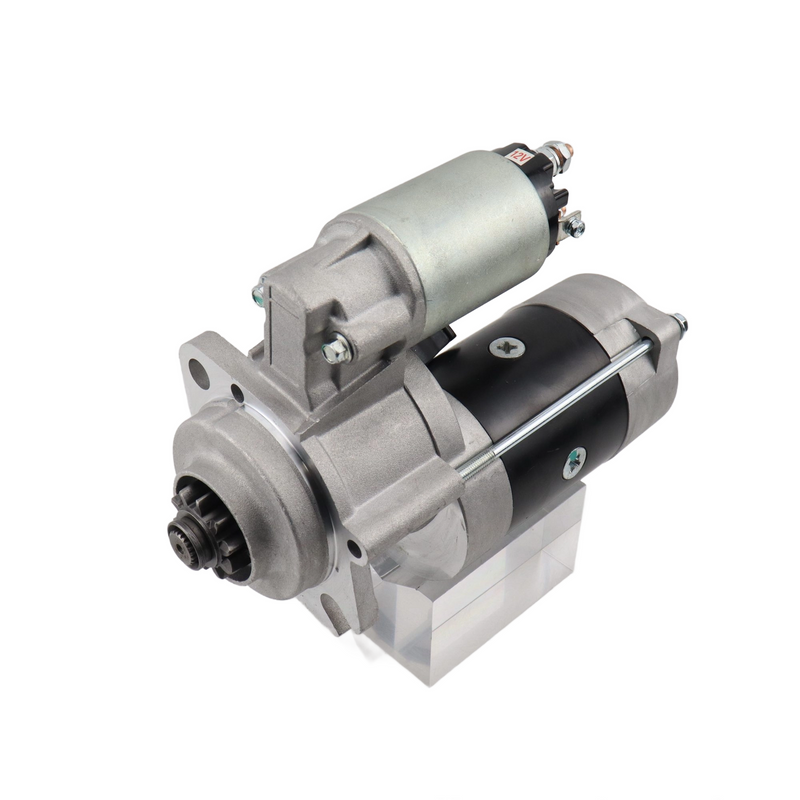
Quality starter motors are engineered for superior torque output, making them reliable even in challenging conditions. Advanced designs allow these motors to deliver high starting torque, ensuring your vehicle starts smoothly, whether it’s a chilly morning or a hot summer day. This reliability is essential for drivers who depend on their vehicles in various environments.
Energy efficiency is another significant advantage of quality starter motors. Many models are designed to minimize current draw, which helps extend battery life. This efficiency not only reduces the frequency of battery replacements but also contributes to lower emissions. By using less power during startup, these motors support environmental sustainability while keeping your vehicle running efficiently.
Modern vehicles often have limited space under the hood, making a compact and lightweight starter motor essential. Quality starters are designed to fit easily into tight spaces, facilitating straightforward installation. Their reduced weight also contributes to overall vehicle efficiency, enhancing performance without compromising power.
Quality assurance is paramount when it comes to starter motors. Many manufacturers implement strict testing procedures to ensure each motor meets high standards. These tests simulate real-world conditions, confirming reliability and performance. Additionally, a robust warranty provides consumers with confidence in their purchase. Knowing that a starter motor is backed by a solid warranty means you can drive with peace of mind.
Incorporating these competitive advantages makes quality starter motors a smart choice for anyone looking to enhance their vehicle's performance and reliability.
Understanding how a starter motor functions is crucial for vehicle reliability. Proper troubleshooting can save time and money.
Avoid the myth of hitting the starter motor to make it work. This approach can cause more harm than good.
Instead, focus on regular maintenance practices. These habits ensure the longevity and reliability of your starter motor.
A: Hitting the starter motor may provide a temporary fix, but it risks damaging internal components and should be avoided.
A: Symptoms of a failing starter motor include clicking sounds, slow cranking, or no response when turning the key. Testing the battery and connections is essential.
A: First, check the battery and connections. If those are fine, inspect the starter motor and fuses. If issues persist, consult a mechanic.


