Is your car refusing to start? The culprit could be the starter motor. This essential component ignites your engine, making it crucial for vehicle operation.
In this article, we'll explore whether it's worth fixing a starter motor. You'll learn about its function, common issues, and when repair or replacement makes the most sense.
Understanding the Starter Motor
What is a Starter Motor?
A starter motor is a crucial part of your vehicle's engine system. It is an electric motor that initiates the engine's operation by turning the flywheel. When you turn the ignition key, the starter motor engages, drawing power from the battery. This process starts the engine and allows it to run.
Core Function:
● The primary role of the starter motor is to convert electrical energy into mechanical energy.
● It spins the engine's flywheel, which is connected to the crankshaft, enabling the engine to begin its combustion cycle.
Engagement with the Flywheel:
● The starter motor has a pinion gear that meshes with the flywheel's teeth.
● As the motor spins, this gear engages, turning the flywheel and starting the engine.
Common Applications of Starter Motors
Starter motors are not limited to cars. They are found in various vehicles and equipment. Here are some common applications:
● Cars and Trucks: Most vehicles rely on starter motors to ignite their engines.
● Boats: Marine engines also use starter motors, specially designed to withstand harsh conditions.
● Industrial Machinery: Heavy equipment often incorporates robust starter motors for reliable performance.
Specialized Applications:
● Motorcycles: These typically use smaller, lighter starter motors.
● Lawnmowers: Many lawn care machines have compact starter motors for easy starting.
Application | Typical Starter Motor Type |
Cars and Trucks | Standard DC Motors |
Boats | Marine-Grade Motors |
Industrial Machinery | Heavy-Duty Motors |
Motorcycles | Lightweight Motors |
Lawn Equipment | Compact Motors |
Understanding the role of starter motors across different applications helps highlight their importance. Whether you're driving a sedan or operating heavy machinery, the starter motor is a vital component you can't overlook.
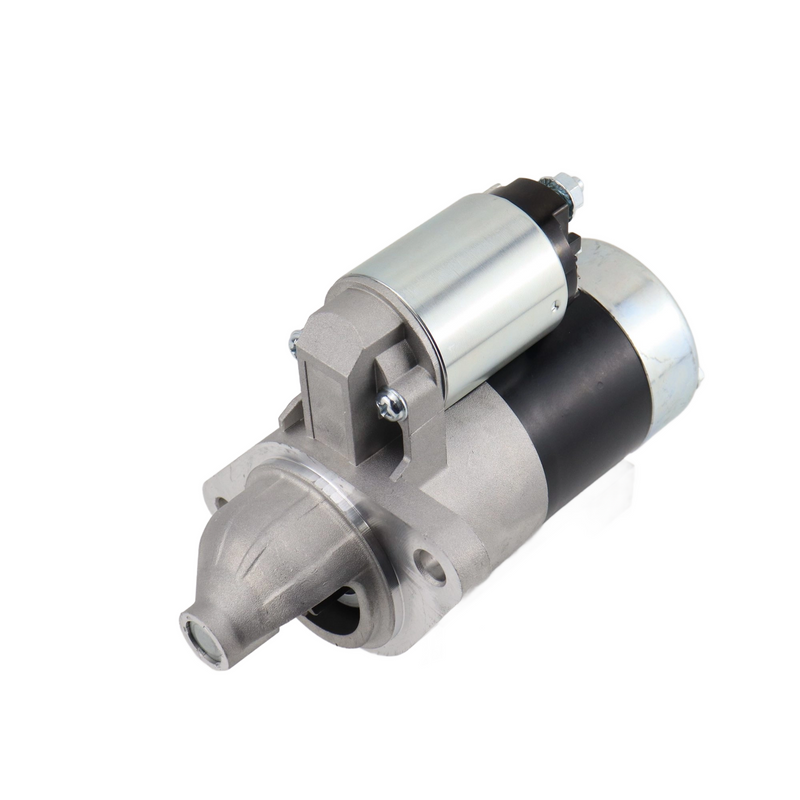
Key Components of a Starter Motor
Main Parts of a Starter Motor
A starter motor consists of several key components working together to start your vehicle's engine. Let's break down these parts:
● DC Motor: This is the heart of the starter motor. It converts electrical energy from the battery into mechanical energy. When you turn the ignition, the motor spins, initiating the engine's operation.
● Sub-Components:
○ Armature: The rotating part of the motor, responsible for generating torque.
○ Field Windings: These create a magnetic field when electricity flows through them.
○ Commutator: It helps maintain the direction of current flow, ensuring smooth operation.
○ Carbon Brushes: These conduct electricity to the armature, allowing it to spin.
● Transmission Mechanism: The engagement mechanism, often called the Bendix drive, is crucial. It connects the starter motor to the engine’s flywheel. When the motor spins, the Bendix drive pushes the pinion gear into the flywheel, allowing the engine to turn over.
● Solenoid Switch: This component controls the electrical circuit. When you start your car, the solenoid engages, sending power to the starter motor. It acts like a relay, ensuring that the motor receives the necessary voltage to function.
Technical Specifications to Consider
When looking at starter motors, there are important specifications to keep in mind:
● Voltage Ratings: Most starter motors operate on a standard 12V system. This voltage is crucial for compatibility with your vehicle's electrical system.
● Power Ranges: Starter motors typically range from 0.8kW to 3kW. The power output matters, as it should match the engine size. Larger engines usually require more powerful starter motors.
● Number of Teeth: The number of teeth on the pinion gear (like 8T or 9T) must match the engine's flywheel. This ensures proper engagement and efficient starting.
● Cycle Rating: Most starter motors are rated for around 8000 cycles. This rating indicates how many times the motor can start the engine before it may fail. Higher cycle ratings often mean better durability.
Specification | Typical Value |
Voltage Rating | 12V |
Power Range | 0.8kW to 3kW |
Teeth on Pinion Gear | 8T, 9T, etc. |
Cycle Rating | ~8000 cycles |
Understanding these components and specifications can help you make informed decisions about your starter motor. Whether you're considering a repair or a replacement, knowing what to look for is essential.
Signs of a Failing Starter Motor
Common Symptoms of Starter Motor Issues
When your starter motor begins to fail, it often shows distinct symptoms. Here are some common signs you might notice:
● Difficulty Starting the Engine: If your vehicle struggles to start or takes multiple attempts, it could indicate a failing starter motor. You may hear a clicking sound but not the engine turning over.
● Unusual Noises When Turning the Key: Listen for any strange sounds. A grinding or whirring noise when you turn the ignition can signal that the starter motor is not engaging properly with the flywheel.
● Intermittent Starting Problems: If your car starts sometimes and not others, it may be a sign of an unreliable starter motor. This inconsistency can lead to frustration and uncertainty.
Diagnosing Starter Motor Problems
If you suspect your starter motor is failing, there are steps you can take to troubleshoot the issue.
1. Check the Battery: Ensure your battery is fully charged. A weak battery can mimic starter motor problems. Test the voltage and connections.
2. Inspect Connections: Look for loose or corroded wires connected to the starter motor. Poor connections can prevent the motor from receiving adequate power.
3. Listen for Sounds: Pay attention to any noises when trying to start the engine. Clicking or grinding sounds can provide clues about the starter's condition.
4. Test the Solenoid: The solenoid is essential for engaging the starter motor. If it fails, the starter won't work. Testing this component can help narrow down the issue.
When to Seek Professional Help
If you’ve gone through these steps and still face issues, it might be time to consult a professional. An experienced mechanic can perform a thorough diagnostic to pinpoint the problem. They have specialized tools to check the starter motor and related components, ensuring an accurate diagnosis.
Symptom | Possible Cause |
Difficulty starting | Weak battery or failing starter |
Unusual noises | Misalignment or worn components |
Intermittent starting | Faulty solenoid or connections |
Recognizing these signs early can save you time and money. Addressing starter motor issues promptly can help prevent further damage to your vehicle.
Repairing vs. Replacing a Starter Motor
Factors to Consider When Deciding
Deciding whether to repair or replace your starter motor involves several important factors. Understanding these can help you make the best choice for your vehicle.
● Cost of Repair vs. Replacement: Start by evaluating the costs associated with both options. Common repairs include replacing the solenoid switch or carbon brushes. Here’s a quick breakdown:
Repair Type | Estimated Cost |
Solenoid Switch Replacement | $100 - $200 |
Carbon Brushes Replacement | $50 - $150 |
Labor Costs | $75 - $150 |
Total Repair Cost | $225 - $500 |
In contrast, the cost of a new starter motor can range from $150 to $600, plus installation fees.
● Age and Condition of the Starter Motor: Consider how long your starter motor has been in use. Most standard models last between 3 to 5 years. If your motor is nearing the end of its lifespan, replacement might be a wiser investment.
● Performance and Compatibility: Assess whether an older starter motor meets the demands of modern engines. Newer engines often require more powerful starters. If your existing motor struggles to keep up, it might be time for a replacement.
● Durability and Usage Scenarios: Think about how you use your vehicle. For heavy-duty or specialized motors, repairs might be more viable. If your vehicle is used for towing or off-roading, investing in a new, robust starter could pay off in the long run.
Cost Analysis
When weighing your options, consider these typical costs:
● Repair Costs: As mentioned earlier, repairing specific components can be cost-effective. However, if multiple parts need attention, costs can add up quickly.
● New Starter Motor Costs: The average price for a new starter motor ranges from $150 to $600, depending on the make and model. Installation fees can add another $100 to $200.
● Long-Term Savings Considerations: While repairs may seem cheaper upfront, think about the longevity of a new starter motor. A new unit may provide better reliability and performance, potentially saving you money on future repairs.
Cost Consideration | Repair Option | Replacement Option |
Average Cost | $225 - $500 | $250 - $800 |
Lifespan | 1 - 2 years (after repair) | 3 - 5 years (new) |
Reliability | Variable | High |
By carefully evaluating these factors, you can make a more informed decision about whether to repair or replace your starter motor. It's essential to consider both immediate costs and long-term benefits to ensure your vehicle runs smoothly.
Benefits of Repairing a Starter Motor
When Repairing Makes Sense
Repairing a starter motor can be a smart choice in various situations. For instance, if the issues are minor, such as a faulty solenoid or worn carbon brushes, fixing these components often costs less than replacing the entire unit. Here are some scenarios where repairs might be more economical:
● Minor Issues: If you notice your vehicle starting slowly or making a clicking sound, it could indicate a simple fix. Addressing these problems early can prevent more extensive damage and higher costs later.
● Keeping Original Parts: For classic cars or specific models, maintaining original parts can enhance value. Repairing the starter motor means you keep those original components, preserving the vehicle's authenticity.
Environmental Considerations
Repairing rather than replacing has significant environmental benefits. Here’s how:
● Waste Reduction: Every year, millions of starter motors end up in landfills. By opting to repair, we contribute to reducing waste and promoting sustainability.
● Extending Component Life: Repairing existing components helps extend their lifespan. This practice not only conserves resources but also minimizes the demand for new parts, which often require energy-intensive manufacturing processes.
Environmental Impact | Repairing | Replacing |
Waste Generation | Low | High |
Resource Conservation | High | Low |
Carbon Footprint | Reduced | Increased |
By choosing to repair your starter motor, you’re not just making a financial decision; you’re also making a choice that supports environmental sustainability. Every small action counts, and repairing can play a significant role in reducing our ecological footprint.
In summary, while replacing a starter motor may seem like a straightforward option, repairing offers distinct advantages. It can save money, maintain vehicle integrity, and contribute positively to the environment. This makes it a worthy consideration for many vehicle owners.
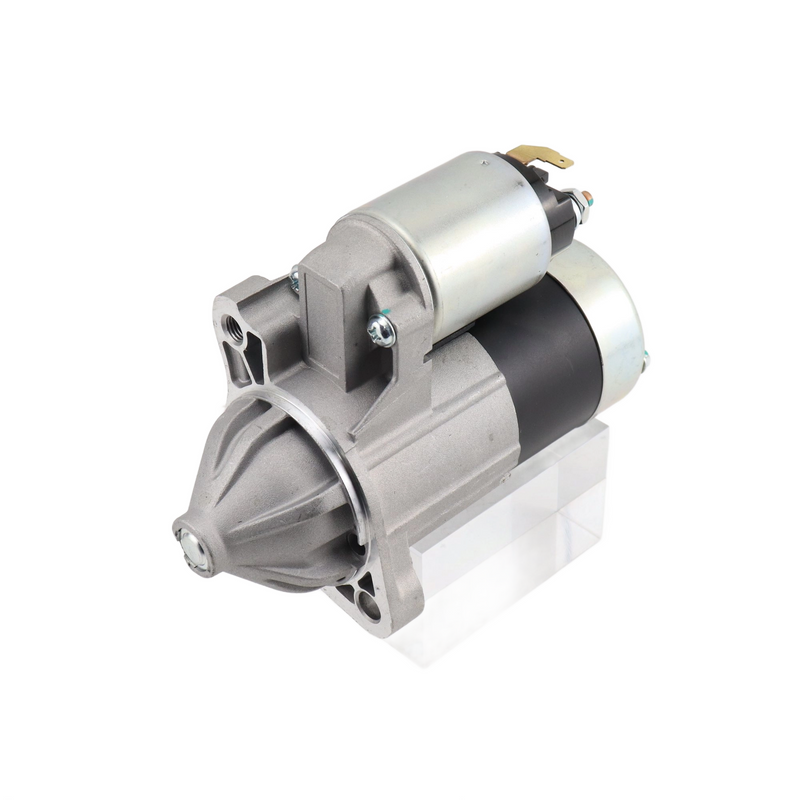
Competitive Product Landscape
Overview of Starter Motor Market
The starter motor market is diverse, catering to various vehicle types and applications. Understanding the different categories can help you choose the right product for your needs. Here’s a look at the main types of starter motors available today:
● Standard Passenger Vehicle Models: These starter motors are designed for everyday cars and light trucks. They typically feature compact designs and efficient performance. Pricing for these models ranges from $100 to $300, depending on the brand and specific features.
● Heavy-Duty/Industrial Models: Built for trucks, buses, and industrial equipment, these motors are robust and designed to handle demanding conditions. They often include features like higher torque and enhanced durability. Prices for heavy-duty models can vary significantly, usually falling between $300 and $800.
● Specialized Equipment Models: Some applications require custom starter motors, such as those used in agricultural machinery or construction equipment. These motors may have unique designs tailored to specific operational needs. Pricing for specialized models can start around $400 and go up to $1,000 or more, depending on complexity.
Pricing Variations
Pricing for starter motors varies widely based on several factors. Here’s what you need to know:
● Overview of Pricing Ranges: As mentioned, standard models are generally the most affordable, while heavy-duty and specialized models command higher prices due to their advanced features and construction.
● Factors Influencing Price: Several elements can affect the cost of a starter motor:
Factor | Impact on Price |
Durability | Higher durability often means a higher price. |
Performance | Motors with enhanced performance features usually cost more. |
Brand Reputation | Established brands may charge a premium for their products. |
Warranty and Support | Motors with longer warranties can have higher upfront costs. |
By considering these factors, you can make a more informed choice. Whether you're looking for a standard model or something more specialized, understanding the competitive landscape of starter motors will help you find the best fit for your vehicle and budget. The right starter motor not only ensures reliable performance but also aligns with your specific needs and financial considerations.
Conclusion
In this article, we explored the value of fixing a starter motor. We discussed when repairs make sense and the environmental benefits of keeping original parts. The competitive landscape highlighted various starter motor types and their pricing variations.
Ultimately, consider your specific situation. We encourage you to consult a professional. They can provide personalized advice tailored to your needs. Making an informed decision will ensure your vehicle runs smoothly.


