The starter motor is a small yet powerful component that plays a crucial role in your vehicle’s ignition system. When you turn the key or press the start button, it’s the starter motor that jumps into action, cranking the engine and initiating the combustion process. But what happens when it fails? A failing starter motor can leave you stranded with a non-responsive engine. In this article, we’ll take a deep dive into what causes a starter motor to fail, the signs of failure, and how to prevent such issues from happening in the future.
Understanding the Function of a Starter Motor
The starter motor’s primary responsibility is to rotate the internal combustion engine so it can begin operating under its own power. It receives electrical power from the battery and uses that energy to turn over the engine’s flywheel. This motion enables air and fuel to enter the cylinders, starting the combustion process. Once the engine fires up, the starter disengages.
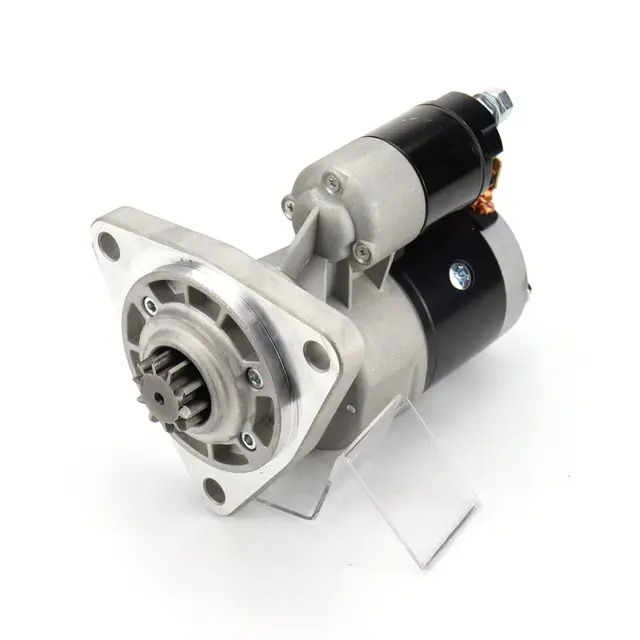
A starter motor typically consists of the following parts:
Armature
Solenoid
Brushes
Drive gear (Bendix gear)
Field coils or magnets
Each of these components must work in unison to deliver a reliable start. When any of these parts wear out or malfunction, starter motor failure becomes imminent.
Common Causes of Starter Motor Failure
Let’s explore the most frequent reasons why starter motors fail. While some causes are mechanical, others are electrical or related to environmental factors.
1. Electrical Connection Issues
One of the most common reasons for starter motor failure is poor electrical connectivity. The starter motor relies heavily on a direct and uninterrupted flow of electricity. Corroded battery terminals, frayed wiring, or loose connections can limit the voltage reaching the starter.
Key signs:
A weak or failing battery may mimic starter issues, but a proper voltage test will determine whether the problem lies with the battery or the starter motor.
2. Worn-Out Brushes or Commutator
The brushes in the starter motor maintain electrical contact with the armature. Over time, these brushes wear out due to friction. When this happens, the starter motor may struggle to spin or may not function at all.
Symptoms include:
If caught early, replacing the brushes can extend the motor’s lifespan without the need for a full replacement.
Mechanical Failures in the Starter Motor
Beyond electrical problems, physical wear and mechanical damage are also common culprits.
1. Faulty Solenoid
The solenoid acts as a switch to deliver battery current to the starter motor. It also pushes the drive gear into position. If the solenoid fails, the drive gear might not engage properly or the starter might not receive any power at all.
Typical warning signs:
A clicking sound with no crank
The engine starts sporadically
Smoke or burning smell from the starter area
Solenoid failure usually requires a complete starter motor replacement, although it can sometimes be repaired separately depending on the design.
2. Damaged Drive Gear or Flywheel
The starter motor’s drive gear (Bendix gear) must mesh precisely with the engine flywheel to crank the engine. If either of these components suffers damage, the starter may spin without engaging the engine.
Indicators include:
High-pitched whining noise
Engine does not turn over
Teeth damage on flywheel or gear
Regular inspection during maintenance can help identify wear before it becomes severe.
Environmental and External Factors
Sometimes, it's not the starter motor's fault. External conditions can influence its performance and longevity.
1. Exposure to Oil Leaks and Contaminants
Starter motors are often mounted low in the engine bay and can be vulnerable to exposure from leaking engine oil or coolant. When oil or grime enters the starter housing, it can cause internal components to corrode or seize.
Consequences include:
Short circuits
Reduced conductivity
Motor burnout
To avoid this, regularly check for fluid leaks and resolve them promptly. Shielding the starter motor or using high-quality gaskets can also help.
2. Overheating from Frequent Starts
If a vehicle is constantly started and stopped (common in delivery vehicles or taxis), the starter motor endures significantly more wear than usual. Excessive heat from repeated use can degrade internal windings and bearings.
Long-term effects:
Allowing the starter to cool between multiple starts and avoiding unnecessary restarts can help prevent overheating damage.
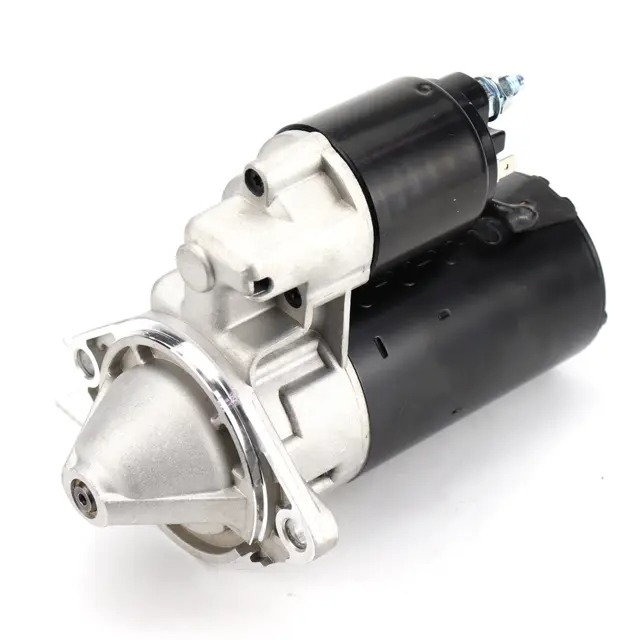
Table – Summary of Common Starter Motor Failures
| Cause | Symptom | Possible Solution |
| Loose battery connection | Clicking sound, no crank | Tighten or replace cables |
| Worn brushes | Grinding or slow start | Replace brushes |
| Faulty solenoid | Clicks but doesn’t turn over | Replace solenoid or starter |
| Damaged drive gear | Whining sound, no engine turnover | Inspect and replace gear |
| Oil contamination | Starter corrosion, electrical failure | Clean and seal leaks |
| Repeated overheating | Starter burnout | Reduce usage, allow cooling |
FAQs About Starter Motor Failure
Q1. How long does a starter motor typically last?
A starter motor usually lasts between 100,000 to 150,000 miles, depending on driving habits, vehicle type, and maintenance frequency.
Q2. Can I drive with a bad starter motor?
No. A failed starter motor will prevent your engine from starting, meaning you won’t be able to drive at all.
Q3. How much does it cost to replace a starter motor?
Costs can vary widely depending on vehicle type and labor charges, but average replacement costs range from $300 to $700 including parts and labor.
Q4. Is it better to repair or replace a starter motor?
In most cases, replacement is more cost-effective and reliable. However, minor issues like worn brushes or loose wires can often be repaired.
Conclusion
Starter motor failure rarely happens overnight. Most issues start small—an occasional click here, a slow crank there. Understanding the causes behind these failures not only helps you diagnose problems faster but also extends the life of your vehicle. Regular maintenance, paying attention to warning signs, and avoiding harsh operating conditions can go a long way toward ensuring your starter motor serves you reliably for years to come.


