 English

Views: 0 Author: Site Editor Publish Time: 2025-11-03 Origin: Site


Have you ever wondered how your car starts with just a turn of the key? The starter motor plays a crucial role in this process. Understanding its function is essential for any vehicle owner.
In this post, you'll learn about the starter motor's components, how it works, and its importance in everyday driving.
A starter motor is an essential component in vehicles equipped with internal combustion engines. It is responsible for initiating the engine's operation by providing the necessary torque to crank the engine. Essentially, it acts as the bridge between the battery and the engine, enabling the vehicle to start.
In simple terms, when you turn the ignition key, the starter motor engages and begins the process of starting the engine. Without it, your car would remain silent, no matter how many times you turn the key.
The operation of a starter motor involves several key steps:
1. Engagement with the Engine’s Flywheel
When you start your vehicle, the starter motor engages with the engine's flywheel through a small gear called the pinion gear. This engagement is crucial because it allows the starter motor to turn the flywheel, which in turn starts the engine.
2. Conversion of Electrical Energy to Mechanical Energy
The starter motor converts electrical energy from the battery into mechanical energy. It achieves this by using a powerful electric motor that spins rapidly, generating enough force to turn the flywheel.
3. The Starting Process
Here’s a breakdown of the starting process:
a. Ignition: You turn the key or press the start button.
b. Power Flow: Electrical current flows from the battery to the starter motor.
c. Engagement: The pinion gear engages with the flywheel.
d. Cranking: The starter motor spins, turning the flywheel.
e. Engine Starts: Once the engine reaches the necessary speed, it starts running on its own.
This process is quick, usually taking just a few seconds. However, it requires a significant amount of power from the battery, which is why a healthy battery is crucial for reliable starting.
● The starter motor is vital for starting internal combustion engines.
● It engages with the flywheel to initiate engine operation.
● The conversion of electrical energy into mechanical energy powers this crucial process.
Understanding how the starter motor works helps vehicle owners appreciate its role in their car's functionality. It’s a small but mighty component that makes driving possible.
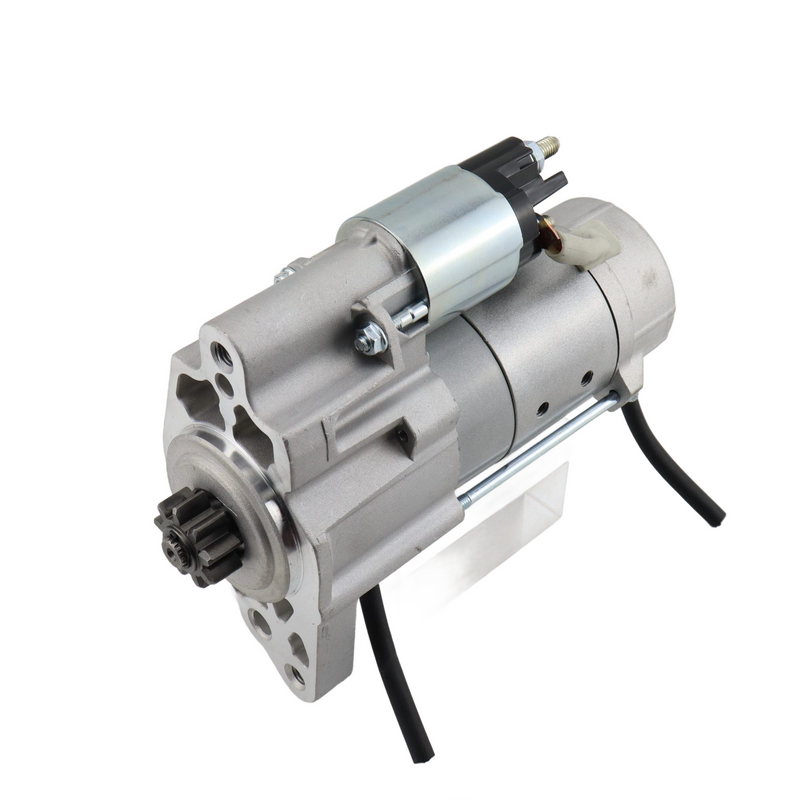
A starter motor comprises several critical components, each playing a vital role in the starting process. Let’s explore these parts in detail.
At the heart of the starter motor is the electric motor. This component is responsible for generating the rotational force needed to crank the engine. When you turn the ignition key, electrical energy from the battery flows to the motor, causing it to spin rapidly. The power generated can range from 0.8 kW to 2.0 kW, depending on the vehicle's requirements.
The electric motor is essential because it provides the torque necessary to overcome the engine's resistance during startup. Without it, the engine wouldn't turn over, and the vehicle wouldn’t start.
The solenoid acts as an electromagnetic switch, engaging the starter motor when you start your vehicle. When you turn the key, the solenoid receives a signal, causing it to create a magnetic field. This magnetic field pulls a plunger that connects the battery to the starter motor.
This engagement is crucial. It ensures that the starter motor receives power only when needed, preventing unnecessary battery drain. The solenoid's role is fundamental in managing the starting process efficiently.
The pinion gear is another vital component. It connects the starter motor to the engine's flywheel. When the starter motor spins, the pinion gear engages with the flywheel, transferring the rotational force needed to start the engine.
The gear tooth count is important too. A higher number of teeth on the pinion gear can provide better engagement and reduce wear over time. This design helps ensure a smooth starting process, making it easier for the engine to crank.
An overrunning clutch is a key feature that prevents damage after the engine starts. Once the engine runs on its own, the clutch allows the starter motor to disengage without resistance. This one-way mechanism ensures that the starter motor does not continue to spin against the engine, which could cause significant damage.
The overrunning clutch protects both the starter motor and the engine, allowing each component to function correctly without interfering with the other.
When considering starter motors, it's essential to understand their technical specifications. Most starter motors operate at:
● Voltage: Typically 12V
● Power Ratings: Range from 0.8 kW to 2.0 kW
● Teeth Variations: Different starter motors may have varying numbers of teeth on their pinion gears, which can affect compatibility.
OEM compatibility is also crucial. Original Equipment Manufacturer (OEM) standards ensure that the starter motor fits and functions correctly within specific vehicle models. Adhering to these specifications guarantees reliable performance and longevity.
The starter motor is a vital component in any vehicle equipped with an internal combustion engine. Its primary function is to initiate the engine's operation, making it critical for vehicle functionality. Without a properly working starter motor, you could find yourself stranded, as your vehicle simply won't start.
A faulty starter motor can lead to several issues. For instance, you might hear clicking sounds when turning the key, but the engine won’t crank. In some cases, the vehicle may start intermittently, leaving drivers frustrated and unsure of when it will start again. This unpredictability can be a significant inconvenience, especially in emergency situations.
Many vehicles, from compact cars to large trucks, rely on starter motors. They are present in most gasoline and diesel engines, making them essential for everyday transportation. Whether you're driving a sedan, an SUV, or a heavy-duty vehicle, the starter motor plays a crucial role in getting you on the road.
Starter motors are designed to perform reliably under various conditions. One of their key performance characteristics is their ability to operate intermittently. This means they can handle short bursts of activity, which is necessary for starting the engine without overheating.
The design of a starter motor allows it to work for only a few seconds at a time. This is intentional, as prolonged use could lead to overheating and damage. The motor is engineered for short-duration use, ensuring that it can efficiently crank the engine without risking its functionality.
Starter motors are built to withstand extreme conditions. They can function in both hot and cold temperatures, making them suitable for various climates. Whether it’s a frigid winter morning or a scorching summer day, a well-designed starter motor will perform reliably.
Moreover, starter motors are available in different power ratings to match various engine sizes. Smaller engines may require less power, while larger engines need more torque to start. This versatility ensures that regardless of the vehicle type, there’s a starter motor designed to meet its specific requirements.
Recognizing the signs of a failing starter motor is crucial for any vehicle owner. Early detection can save you from being stranded or facing costly repairs. Here are some common symptoms that indicate starter motor problems.
One of the most common indicators is a clicking sound when you turn the ignition key. This noise often means that the starter motor is not engaging properly. It may be a sign of insufficient power reaching the motor, possibly due to a weak battery or corroded connections. If you hear this sound, it’s worth investigating further.
Another clear sign is when the engine fails to crank. You might turn the key, but nothing happens. This issue often occurs when the starter motor is completely non-functional. In some cases, you may notice the dashboard lights dimming, indicating that the battery is struggling to provide enough power.
Sometimes, you might hear unusual noises while the engine is cranking. These sounds could range from grinding to whirring, suggesting that there’s a mechanical issue within the starter motor. Such noises can indicate that the pinion gear is not engaging correctly with the flywheel, leading to potential damage if not addressed promptly.
If you suspect that your starter motor is failing, there are some basic troubleshooting steps you can take. First, check the battery. Ensure it’s fully charged and the terminals are clean and secure. A weak battery is often the culprit behind starter issues.
Next, inspect the wiring and connections. Look for any signs of corrosion or loose wires. These can prevent the starter motor from receiving the necessary power.
If you’ve gone through these steps and the problem persists, it may be time to seek professional help. A qualified mechanic can perform a thorough diagnosis, identifying whether the issue lies with the starter motor or another component of the starting system.
Remember, addressing starter motor problems early can prevent more significant issues down the road. If you’re unsure about the symptoms or troubleshooting steps, don’t hesitate to consult an expert.
The market for starter motors is competitive, with various manufacturers offering a range of products. When comparing starter motors, it’s essential to look at the specifications and features that set them apart.
Key Differences in Specifications and Features
Different brands may provide starter motors with varying torque ratings, sizes, and weights. For instance, some models are designed for high-performance vehicles, featuring increased torque to ensure reliable starts even under challenging conditions. Others may focus on lightweight designs, catering to efficiency and fuel economy.
Another important aspect is the choice between remanufactured and new starter motors. Remanufactured units can be a cost-effective alternative. They are often rebuilt to meet or exceed original specifications, making them a viable option for budget-conscious consumers. However, new starter motors typically come with a full warranty and are less likely to have underlying issues, offering peace of mind for buyers.
Feature | New Starter Motors | Remanufactured Starter Motors |
Warranty | Full | Limited |
Performance | High | Variable |
Cost | Higher | Lower |
Reliability | Consistent | Depends on quality |
As technology advances, starter motors are incorporating specialized features to enhance performance and reliability.
Overcrank Protection
One significant feature is overcrank protection. This mechanism prevents the starter motor from running too long, which can lead to overheating and damage. It automatically cuts off power if the engine doesn’t start within a specified time frame, ensuring longevity and reliability.
Compatibility with Start-Stop Systems
Another innovative development is compatibility with start-stop systems. Many modern vehicles utilize these systems to improve fuel efficiency by shutting off the engine when the vehicle is stationary. Starter motors designed for this purpose are built to handle frequent starts and stops, providing durability and efficiency.
Comparison of Gear Reduction Starter Motors for Specific Applications
Gear reduction starter motors are another specialized option. They use gears to increase torque while reducing the amount of current needed to start the engine. This design is particularly beneficial for larger engines or vehicles used in demanding conditions, such as trucks and heavy machinery.
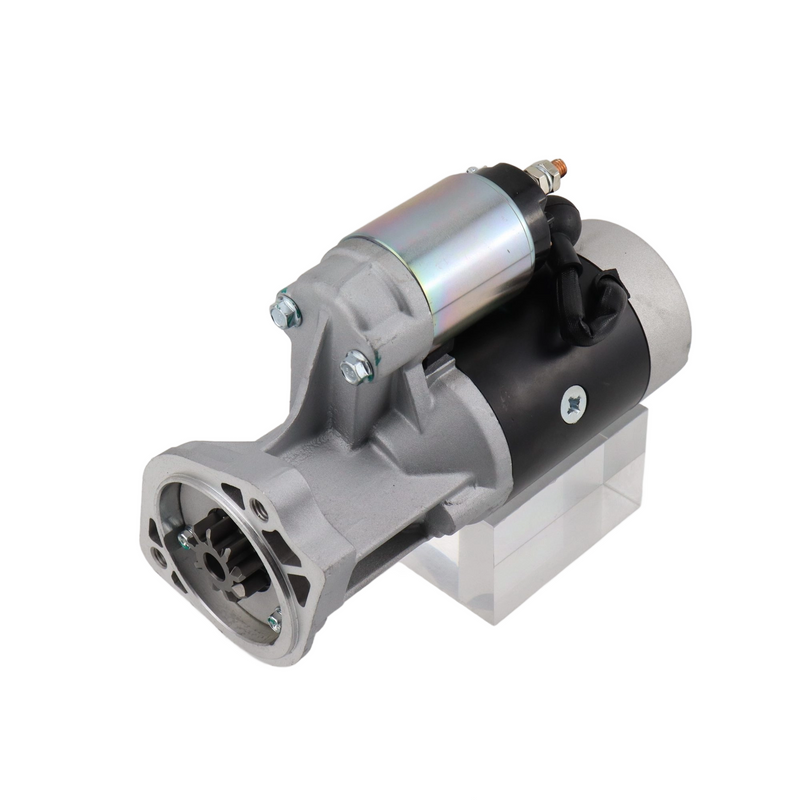
Starter motors play a vital role in various vehicles and equipment, ensuring they start smoothly and efficiently. Their applications extend far beyond just passenger cars.
Most people are familiar with starter motors in passenger cars. These components are essential for igniting the engine, allowing drivers to hit the road with ease. Light trucks also rely heavily on starter motors, providing the necessary power to start larger engines that are often used for hauling and towing.
In addition to cars and trucks, starter motors are crucial in marine applications. Boats, whether small recreational vessels or larger commercial ships, depend on starter motors to fire up their engines. This functionality is especially important in marine environments where reliability is key.
Starter motors aren’t limited to just vehicles. They are also found in various types of equipment that use internal combustion engines. For instance, agricultural machinery such as tractors and harvesters utilizes starter motors to operate efficiently in the field. These machines often face tough conditions, making reliable starting systems essential for productivity.
Generators, which provide backup power during outages, also use starter motors. These devices require a dependable starting mechanism to ensure they can kick in when needed, especially during emergencies.
Application Type | Examples |
Passenger Vehicles | Cars, SUVs, Light Trucks |
Marine Vehicles | Boats, Yachts, Commercial Ships |
Agricultural Machinery | Tractors, Combines, Harvesters |
Generators | Portable Generators, Standby Generators |
From everyday vehicles to specialized equipment, starter motors are integral to many types of machinery. Their ability to provide reliable starting power makes them a crucial component in ensuring that engines run smoothly and efficiently across various applications. Whether you’re driving a car or operating heavy machinery, the starter motor is at work, making sure everything starts as it should.
The starter motor is crucial for starting engines in various vehicles and equipment. Understanding its role helps in maintaining performance and reliability. Regular checks can prevent issues and extend the motor's lifespan.
We encourage readers to share their experiences or ask questions about starter motors. Your insights can help others learn more about this essential component!


