 English

Views: 194 Author: Site Editor Publish Time: 2025-06-09 Origin: Site


The starter motor plays a crucial role in your vehicle’s ignition system. Without it, your engine won’t start—no matter how much fuel or battery power you have. This small but mighty motor is responsible for turning over the engine when you twist the key or push the ignition button. When it fails, it often leaves drivers feeling confused, frustrated, and stranded.
If you're hearing odd noises or noticing delays when trying to start your car, your starter motor might be the culprit. This article provides a comprehensive, step-by-step guide on what to do if you suspect your starter motor has failed.
A failing starter motor often gives early warning signs before a complete breakdown occurs. Recognizing these symptoms can help you address the problem before it escalates.
One of the most common symptoms is a clicking noise when you attempt to start the engine. This often indicates that the starter motor solenoid is engaging, but the motor itself isn't functioning.
If your lights come on, your battery is fully charged, but the engine won’t crank or turn over, the starter motor may be at fault. This is especially true if you've ruled out battery or alternator issues.
A starter motor that sometimes works and sometimes doesn’t can be tricky. Intermittent issues are often electrical—caused by a bad connection or a worn-out internal component within the starter motor.
If you hear a grinding noise, it could be due to the starter drive gear not properly engaging with the engine’s flywheel. This can cause significant damage to both parts if left unaddressed.
If you suspect the starter motor is failing, follow this structured approach to diagnose the problem accurately.
Before blaming the starter motor, rule out the battery. A weak or dead battery can mimic starter motor failure. Use a multimeter to check the battery voltage; it should read around 12.6 volts when fully charged.
Also inspect battery terminals and cables for corrosion, loose connections, or damage. Clean and tighten all connections as necessary.
If your vehicle doesn't start, try gently tapping the starter motor with a hammer while someone turns the ignition key. Sometimes, this can temporarily "unstick" worn brushes inside the starter. This is a short-term fix, not a long-term solution.
The starter relay acts as a bridge between the battery and the starter motor. If it’s defective, power may not reach the motor. Use a circuit tester or swap it with a similar relay in your fuse box to check functionality.
Look for frayed wires, damaged insulation, or signs of overheating around the starter motor. Any of these issues could prevent the motor from receiving power.
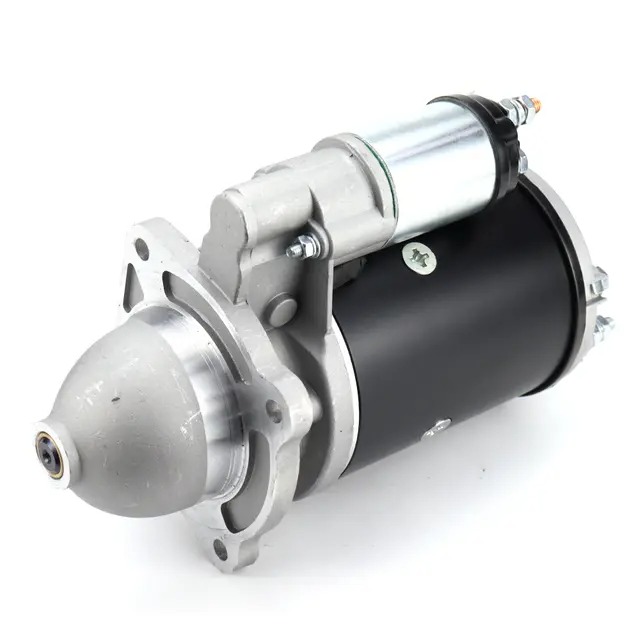
Once you’ve confirmed the issue lies with the starter motor, you’ll need to decide whether to repair or replace it.
In some cases, the motor may be salvageable with new brushes, bearings, or solenoids. However, this requires mechanical expertise and the right tools. Repairing might be cost-effective, but it’s not always a long-term solution.
Replacement is usually the most reliable solution. While costlier upfront, a new or high-quality remanufactured starter motor can last several years without issue. Ensure it’s compatible with your vehicle’s make and model.
| Option | Pros | Cons |
|---|---|---|
| Repair | Cost-effective if parts are available | Time-consuming and may not last |
| Replacement | Reliable and long-term solution | Higher initial cost |
Q1: Can a bad starter motor drain my battery?
Yes. A faulty starter motor can draw excess current, which drains the battery and prevents your vehicle from starting again.
Q2: How long does a starter motor last?
On average, a starter motor can last between 100,000 and 150,000 miles, depending on driving habits and conditions.
Q3: What’s the cost of replacing a starter motor?
Costs vary based on the vehicle, but replacement generally ranges from $200 to $600, including parts and labor.
Q4: Is it safe to drive with a bad starter motor?
No. If your starter motor fails completely, your vehicle won’t start at all, leaving you stranded. Immediate action is recommended.
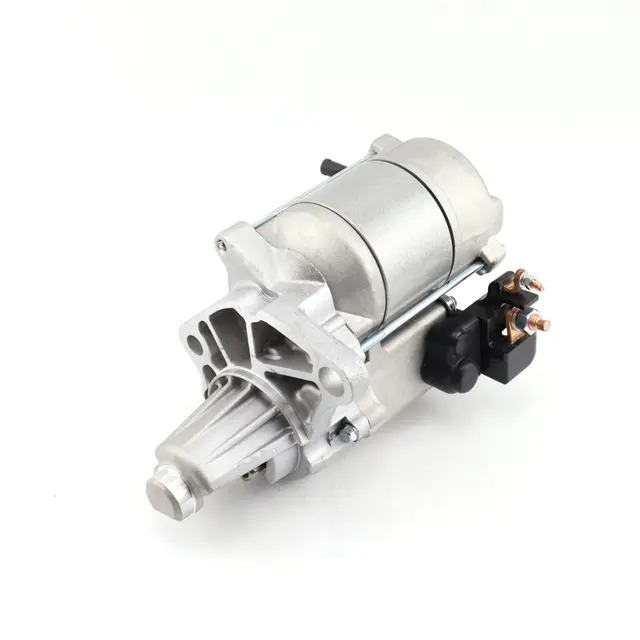
Even if you’re mechanically inclined, diagnosing and fixing starter motor issues can be complex. Modern vehicles often have the starter motor tucked in hard-to-reach places, requiring special tools and lifts.
If you’ve gone through all troubleshooting steps and are still unsure, it’s wise to consult a certified mechanic. A professional can perform voltage drop tests, bench tests, and precise diagnostics that go beyond DIY methods.
Taking proactive steps early not only ensures your vehicle starts reliably but also helps you avoid costly damage to the ignition and electrical systems.
The starter motor may be small, but its role in your vehicle is anything but minor. Ignoring the early signs of failure can lead to costly repairs and leave you stranded in the worst possible situations.
If your car is showing symptoms such as clicking noises, grinding, or inconsistent starts, follow the guide above to investigate the issue. Whether you choose to repair or replace the starter motor, acting quickly is key.
With the right knowledge, tools, and actions, you can get your vehicle back to reliable starts—without the stress of an unexpected breakdown.


